All Categories
Featured
Business software development is the creation of special software that will be aimed at resolving organization problems or streamlining its work. As a rule, for big business, such software shares specific tools and methods to match specific company activity.
The Future of Business Technology: Top TrendsFinancial Accounting precise reporting, compliance assistance, and realtime exposure into spending plans. Business Analytics datadriven insights for much better decisionmaking. In brief, business information advancement transforms isolated workflows into a connected, smart community that fosters development, compliance, and development.
Driving the Synergy of AI and Cloud Architecture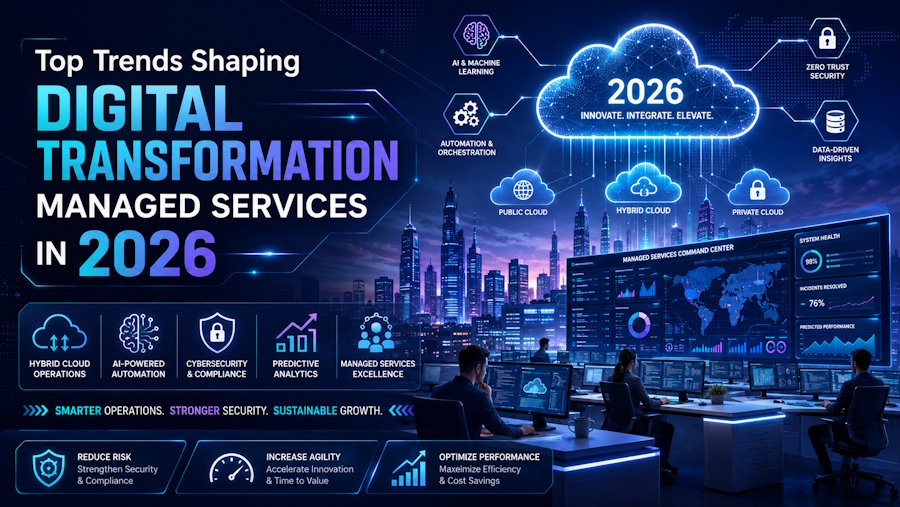
Organizations with upgraded enterprise software experience the following advantages: Increased Efficiency and Efficiency. Automation maximizes staff for core activities and minimizes human mistakes to a minimum. Improved Data Security and Compliance. Modern, cloud-native applications stand out at information security, with boosted security procedures and integrated regulatory compliance. Scalability and Flexibility.
Enhanced Decision-Making. Advanced information analytics, often integrated with AI predictions and enhancements, make it possible for faster and more precise service decisions. Expense Optimization and Modification. Low-code platforms enable customized, customized options that optimize the expense. Future-Proofing Operations. Businesses remain resilient and future-proof. To keep up with the times, simplify the work process, and manage the development of the business, unique corporate applications are required.
A Strategic Artificial Intelligence Adoption Blueprint for 2026
Our expert system is progressing from a state where it can only perform jobs to one where it can reason, plan, and act according to particular guidelines. This sort of system does more than simply follow guidelines; it also examines context, selects actions, and coordinates procedures across systems, all while keeping humans informed.

Latest Posts
Modernizing the IT Infrastructure for the 2026 Shift
Modernizing Your Enterprise for the Digital Shift
How Transformative Cloud Solutions Power Digital Growth